Before you buy
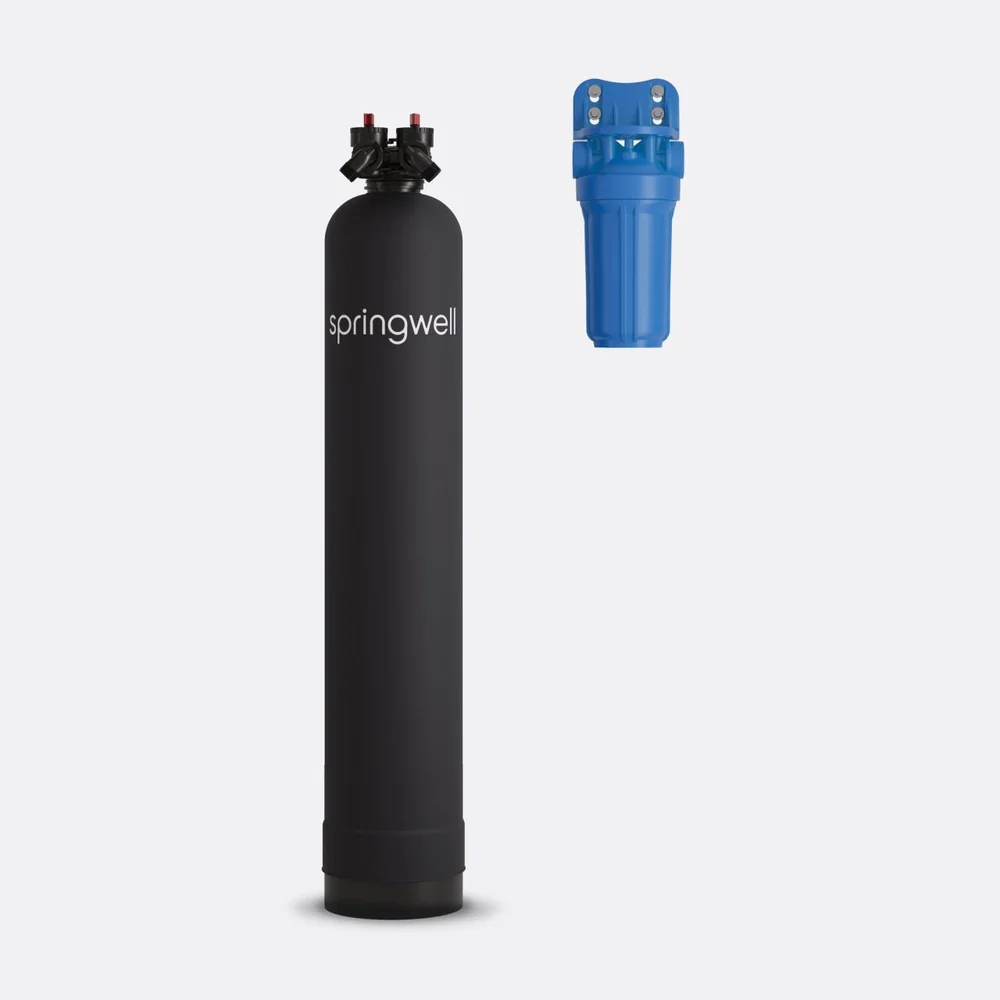
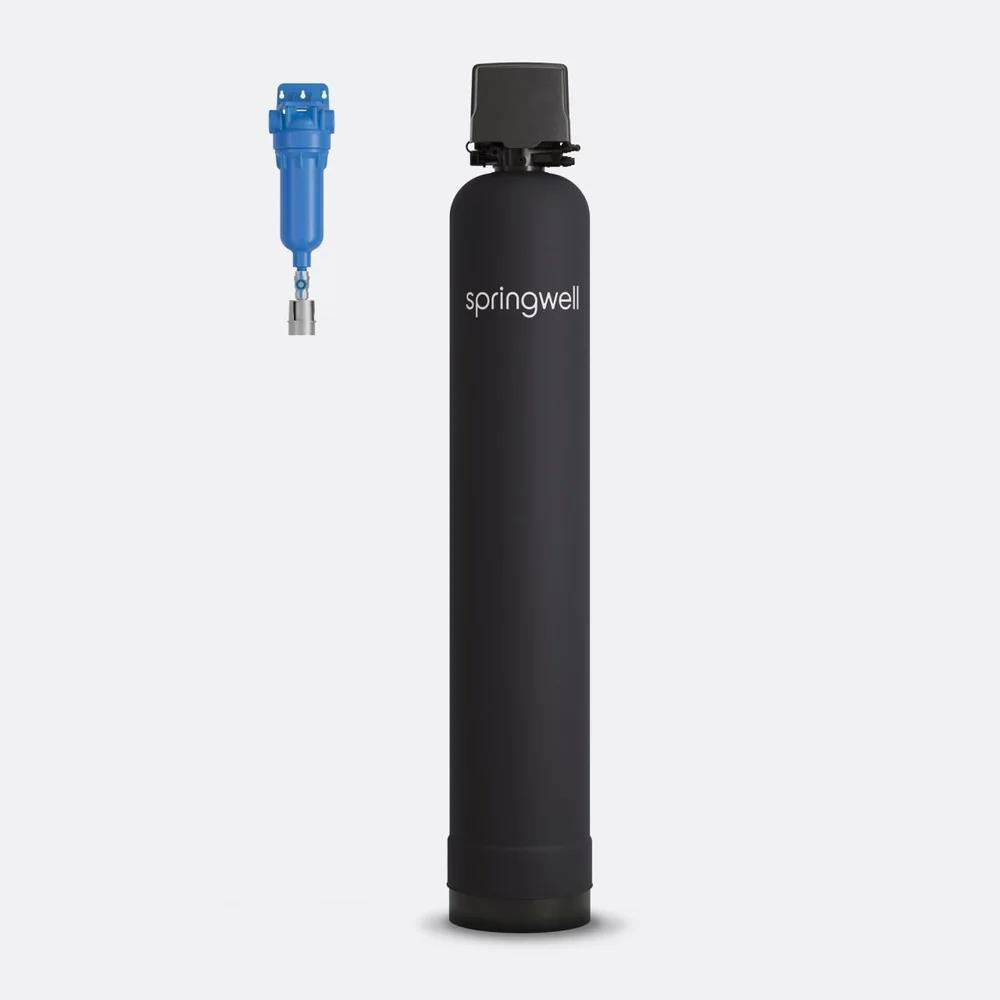
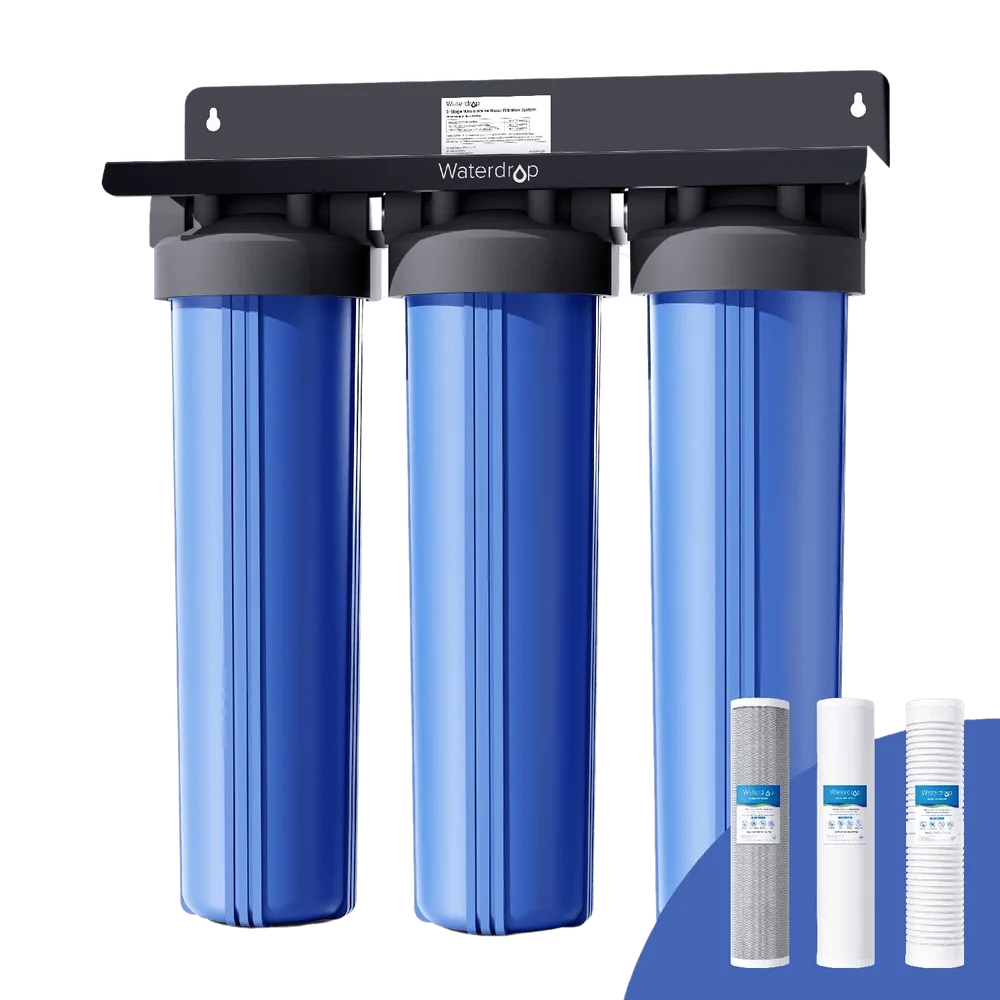
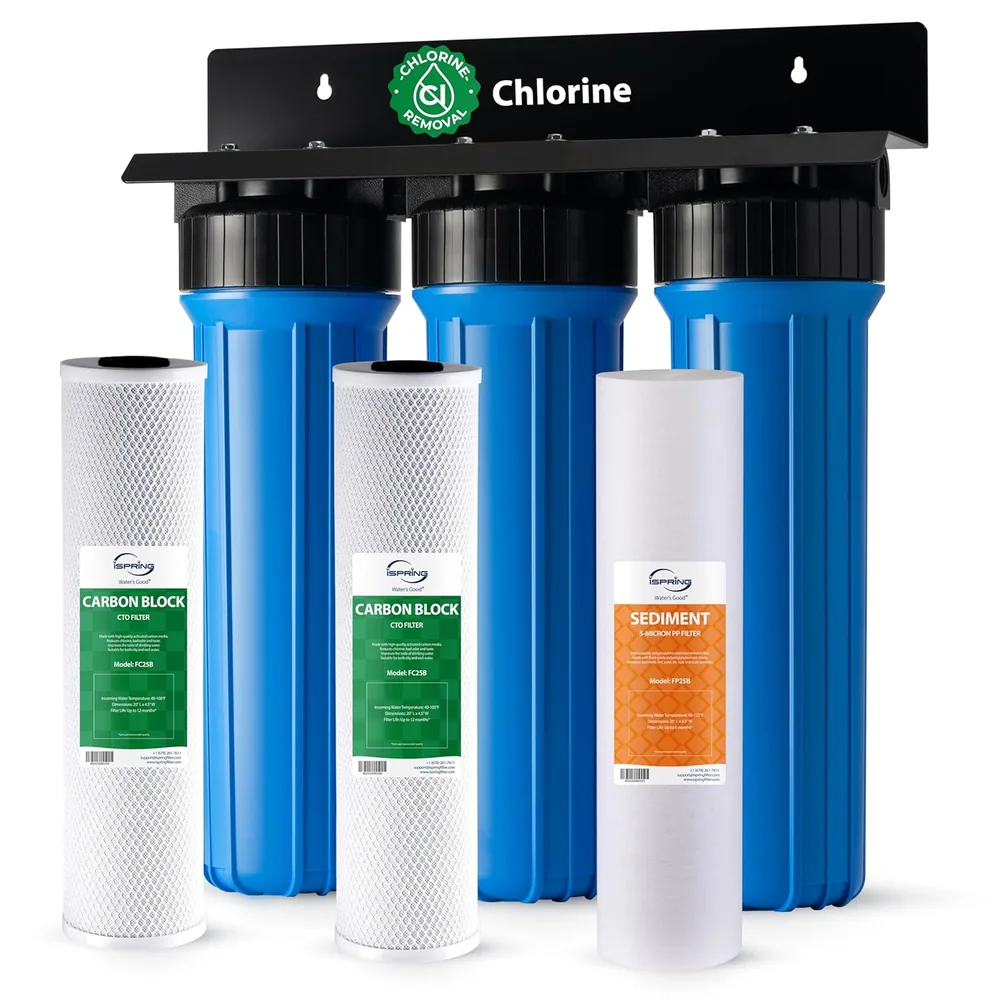
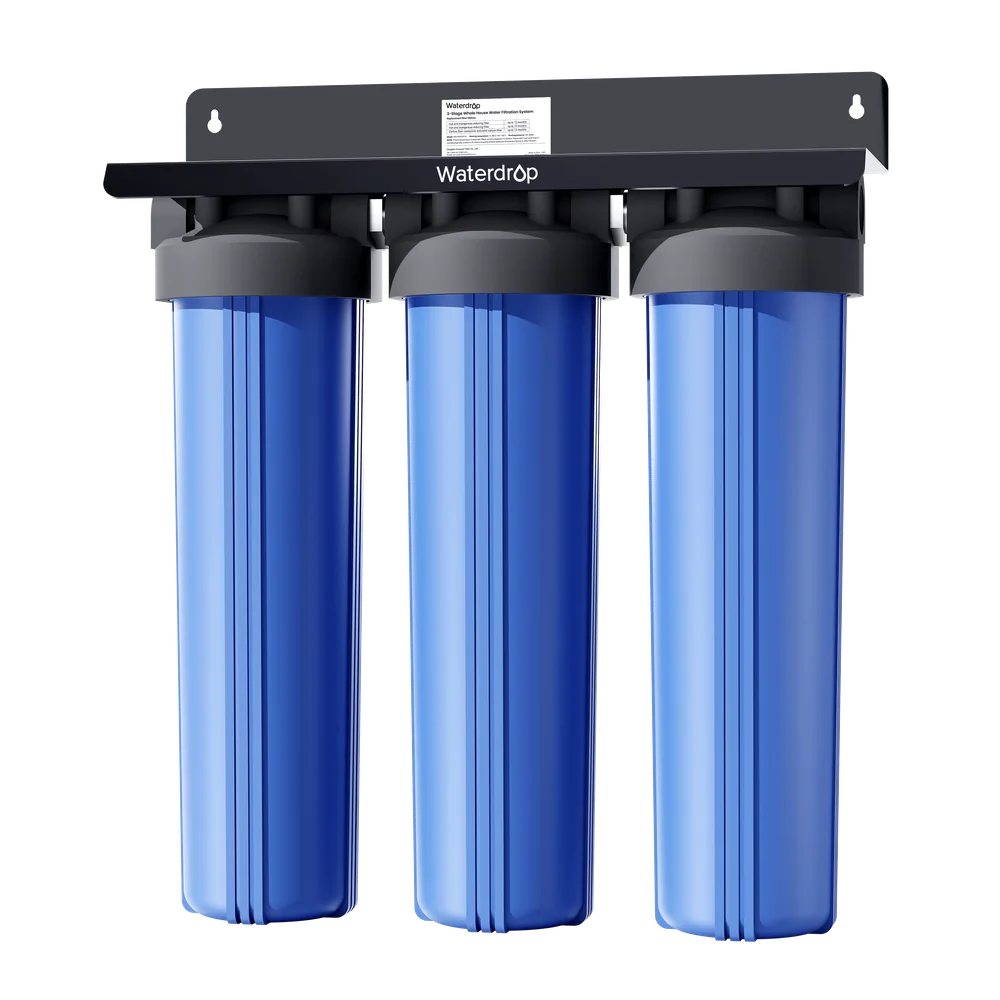
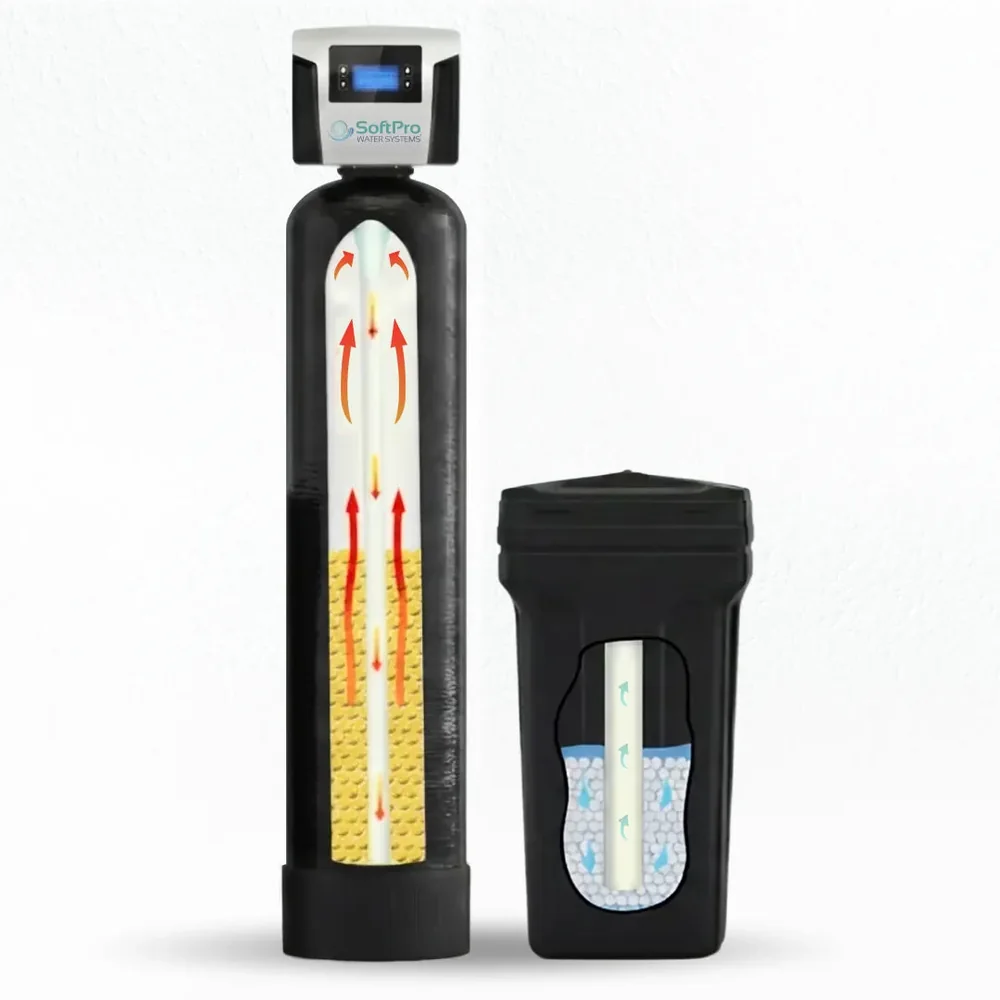
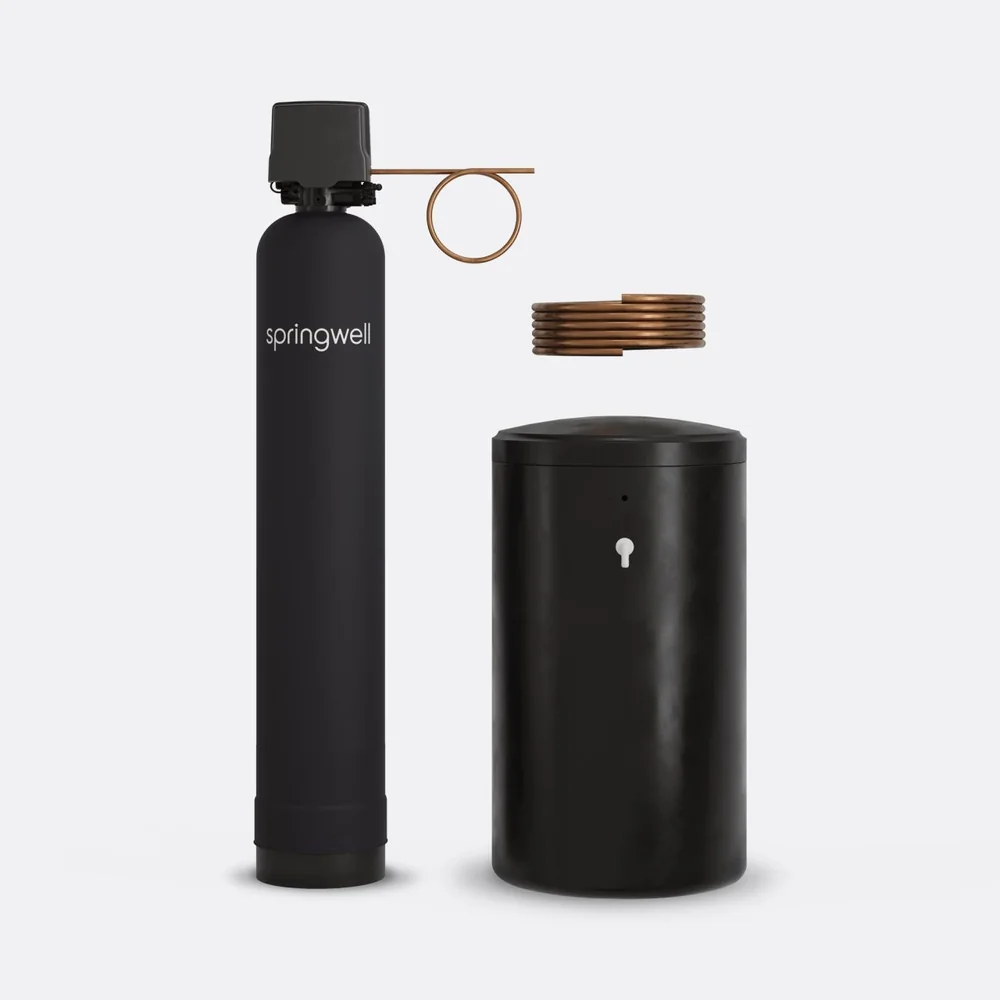
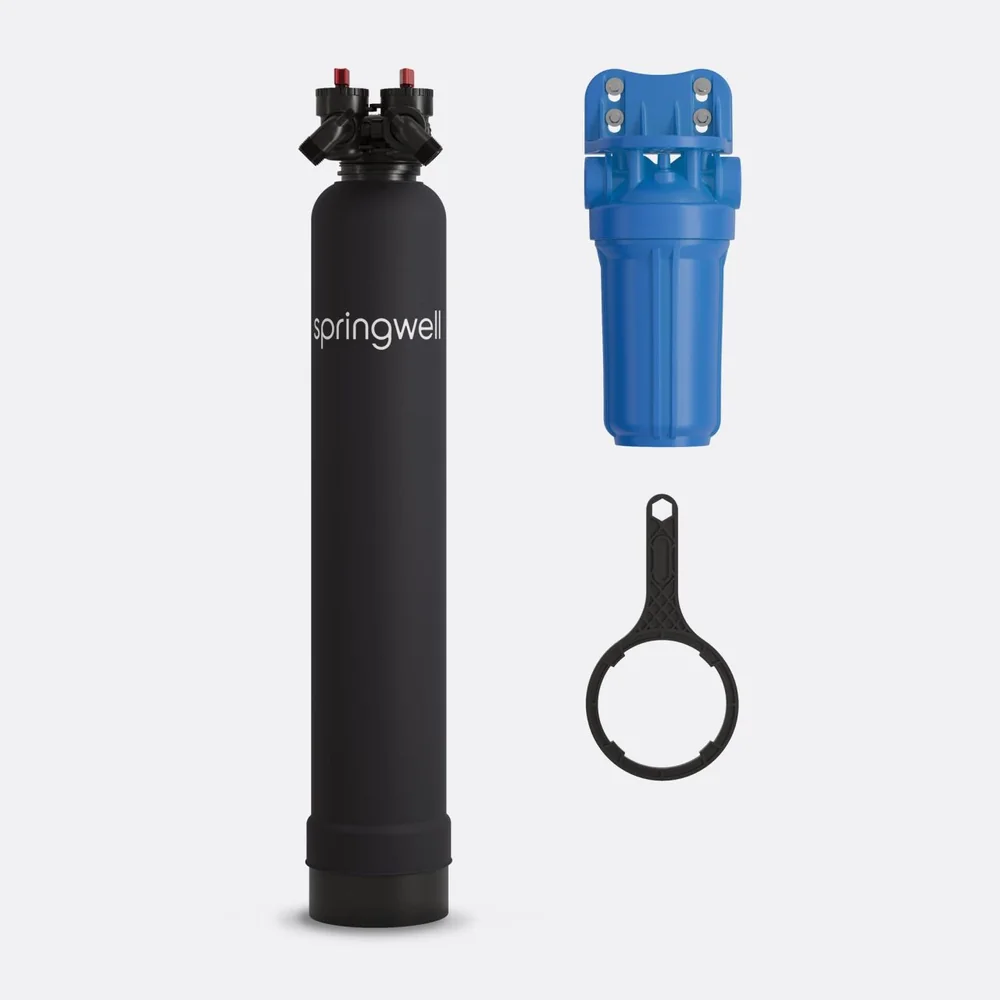
If the shower smells like a pool or the water heater fills up with grit, a whole house filter fixes it at the main line, for every tap at once. On city water, the SpringWell CF1 ($1,365) is the one to buy: a 10-year carbon tank, chloramine and PFAS named, about $46 a year of upkeep and a lifetime warranty. Under $400, the Waterdrop WHF3T-PG does the core job, and on a well, go straight to the well water ranking.
The first thing that decides your filter is not the brand, it is your water. City water is already disinfected, so the job is to take out the chlorine or chloramine the utility added, plus sediment and, if you care, PFAS. Well water is the opposite: no chlorine, but often iron, manganese, a rotten-egg smell or bacteria. A filter that is brilliant on one can be useless on the other. That is why each entry below carries a City water or Well water tag, and why the well water ranking exists.
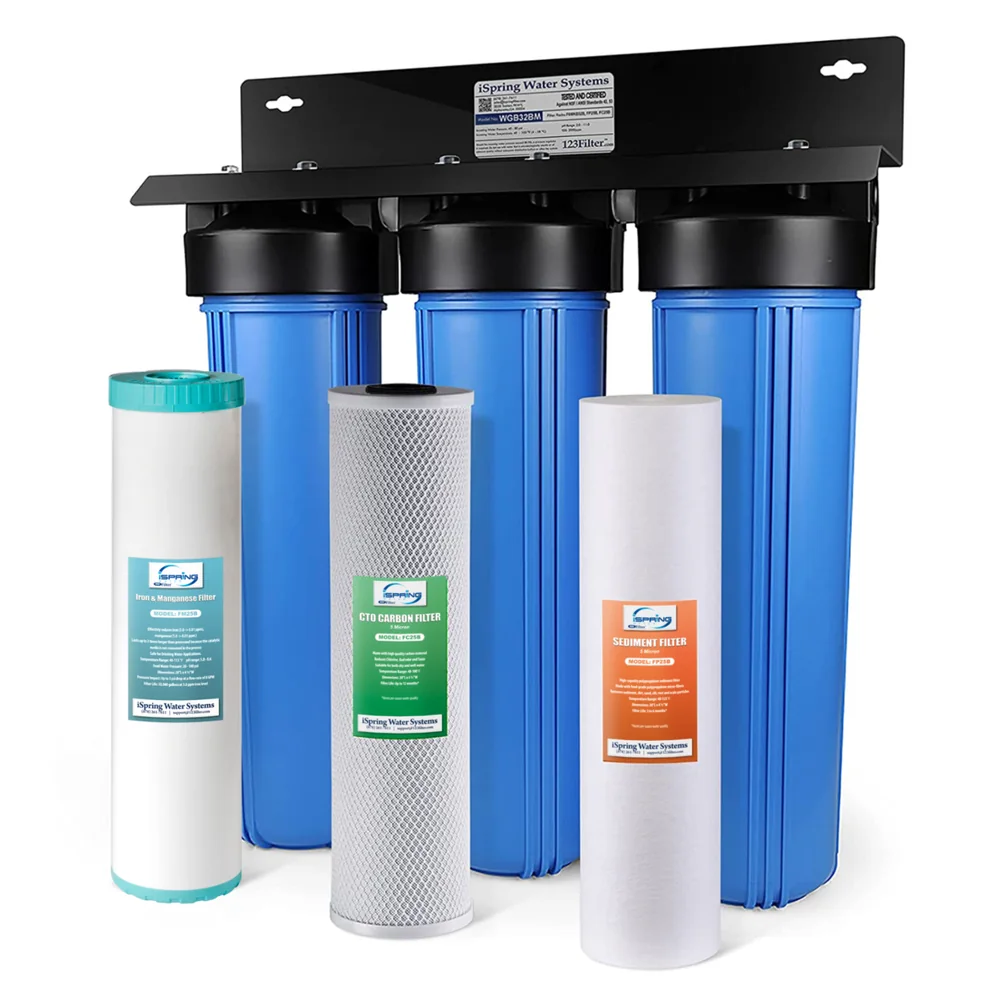
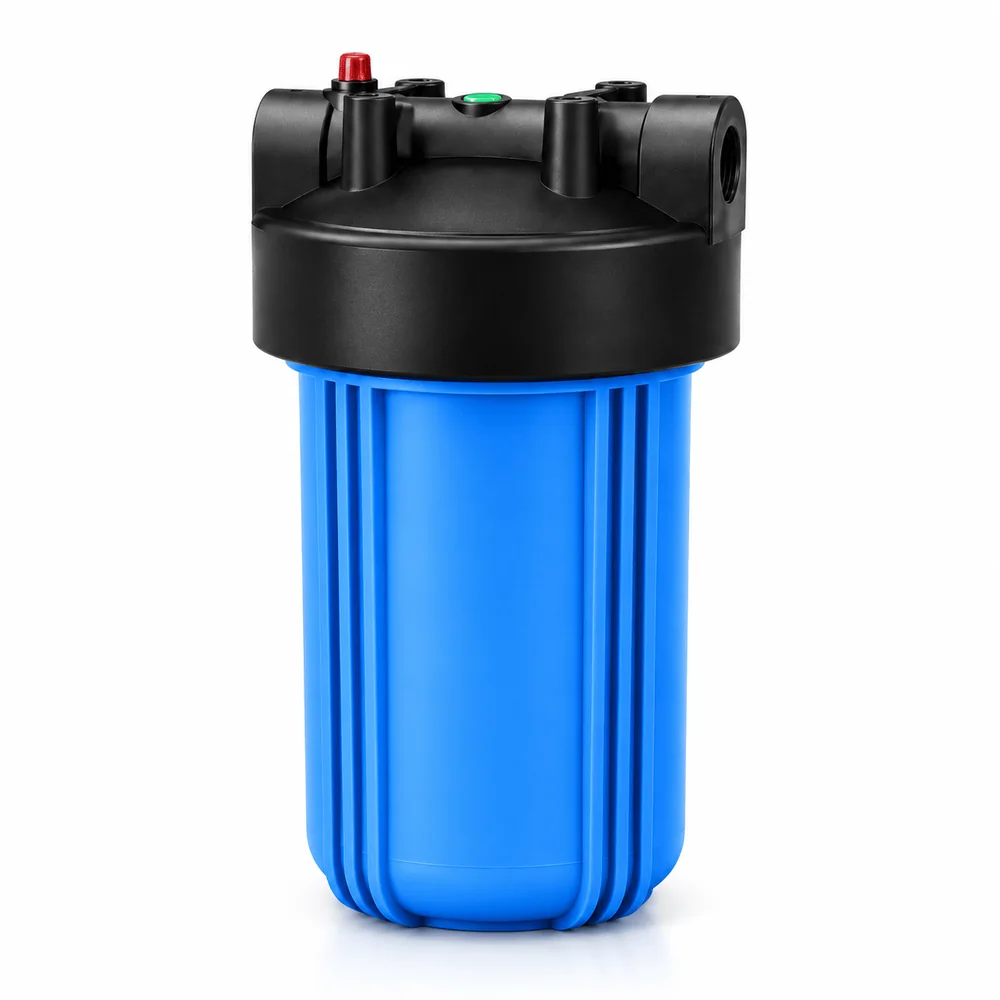
The second thing is what the system costs to keep. A $370 cartridge housing looks cheap next to a $1,365 tank, until you add the filter sets: on the brands' own schedules, the cartridge systems here cost $119 to $404 a year in replacements, the tank systems $0 to $274. Our score counts that upkeep, along with flow, media life, the contaminants each brand claims, how those claims are certified, warranty, return window and price.
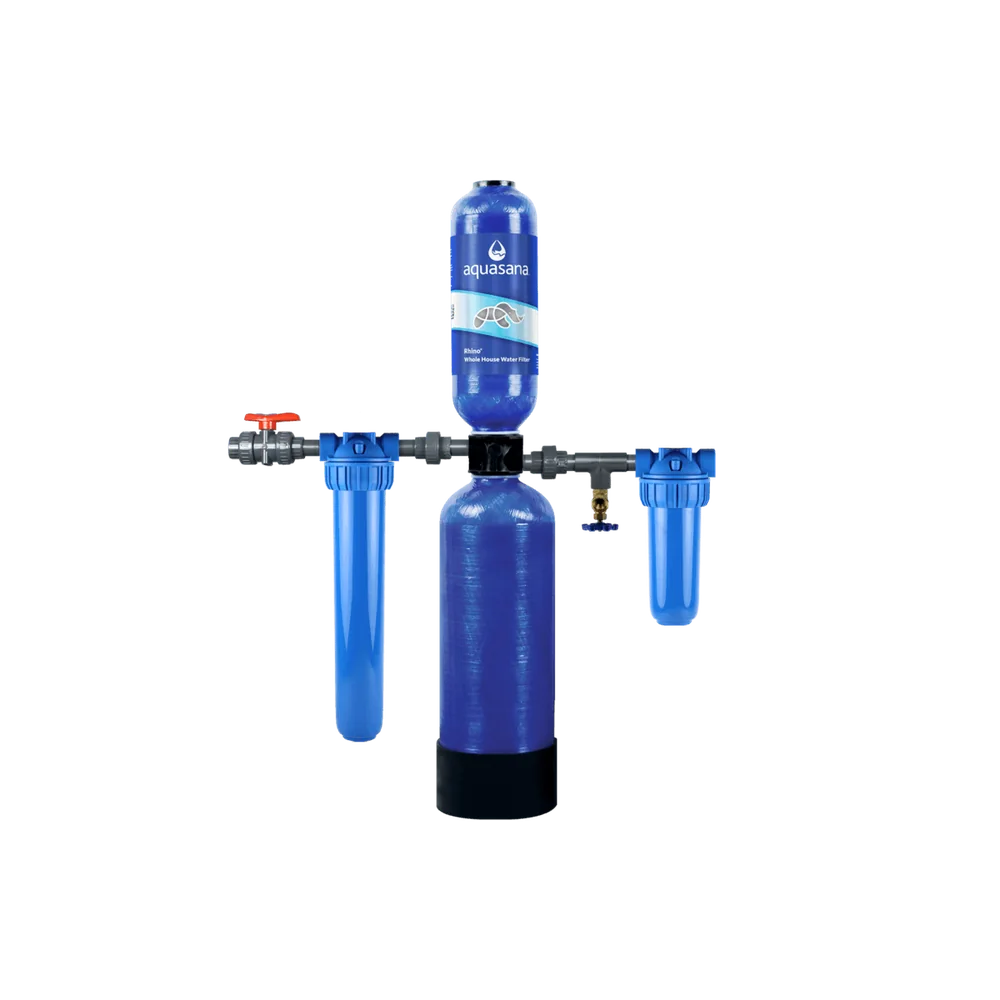
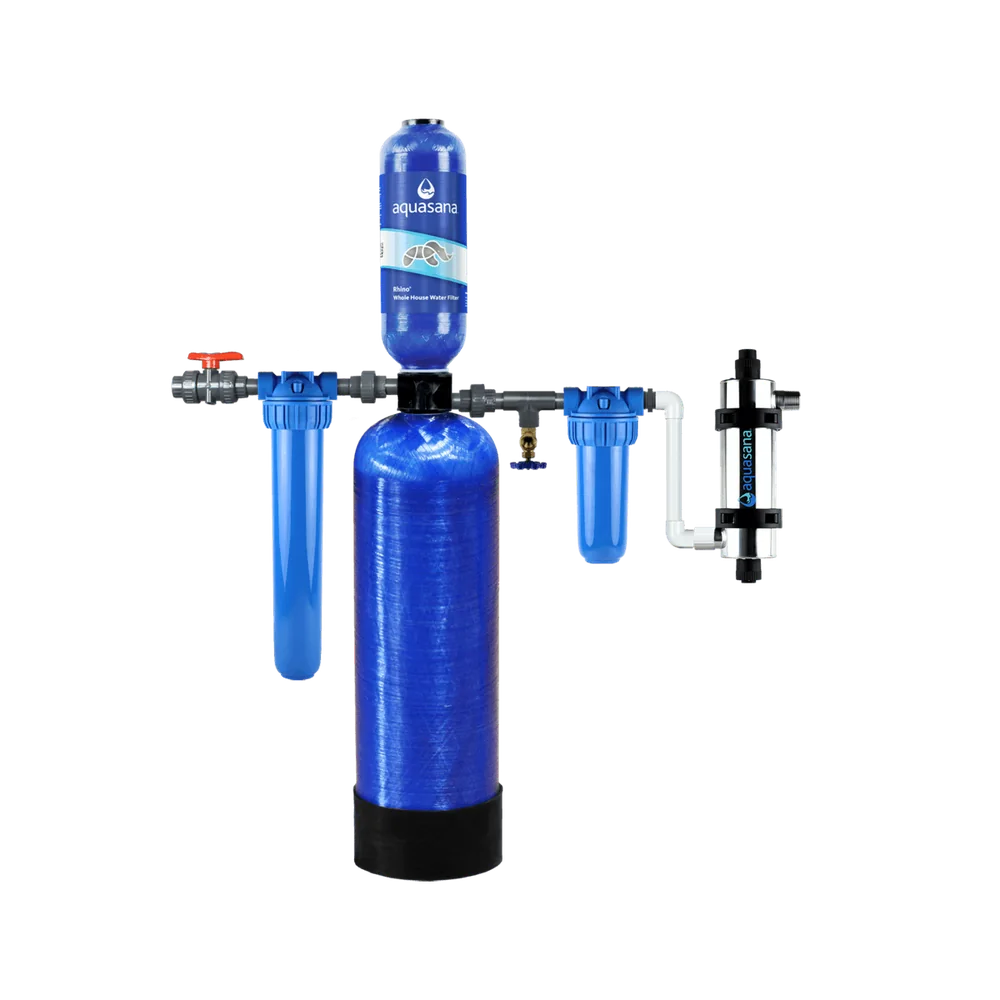
On November 9, 2026, the SpringWell CF1 comes out on top: a 10-year carbon tank that names chlorine, chloramine and PFAS, a $45 sediment cartridge per year, and a lifetime warranty. Its weak spot is paperwork, not hardware: SpringWell names no certification on the product page. If that matters to you, the Aquasana Rhino is the one with an independent NSF/ANSI 42 test behind its chlorine claim. And if you want to spend less than $400 up front, the Waterdrop WHF3T-PG is the best score for the price.
Ordered by our filter score: flow rate 15%, media life 15%, yearly upkeep 15%, contaminants covered 15%, price 15%, certification 10%, warranty 10%, return window 5%. Scope: every whole house filter in our data, for city or well water, from cartridge housings to backwashing tanks, each in its 1-3 bathroom size.
How to choose
- Test before you buy. City water: read your utility's yearly Consumer Confidence Report and check whether it uses chlorine or chloramine. Well water: pay for a lab panel (hardness, iron, manganese, pH, bacteria). It costs less than one wrong cartridge set.
- Match the flow to your house. For 1-3 bathrooms, SpringWell sizes its filter at 9 GPM; bigger homes need 12 to 20 GPM. A filter that chokes the flow is the one you end up bypassing. Our size calculator has the flow check.
- Count five years, not day one. Add the yearly upkeep from each review to the price. Over five years, a cartridge system with a $250 filter set can cost more than a tank that only needs a $45 pre-filter.
- Read "tested" and "certified" carefully. NSF/ANSI 42 or 53 certification covers what the filter removes. NSF/ANSI 61 and 372 only say the materials are safe. A lab test is better than nothing, but it is not a certification.
- A filter is not a softener. None of these filters removes hardness. If scale and spots are your problem, read filter vs softener before you buy two systems or the wrong one.