Is a water softener worth it? The honest math for 2026
Yes above about 7 gpg if the scale and spots bother you: what it costs, what it changes and when to skip it.
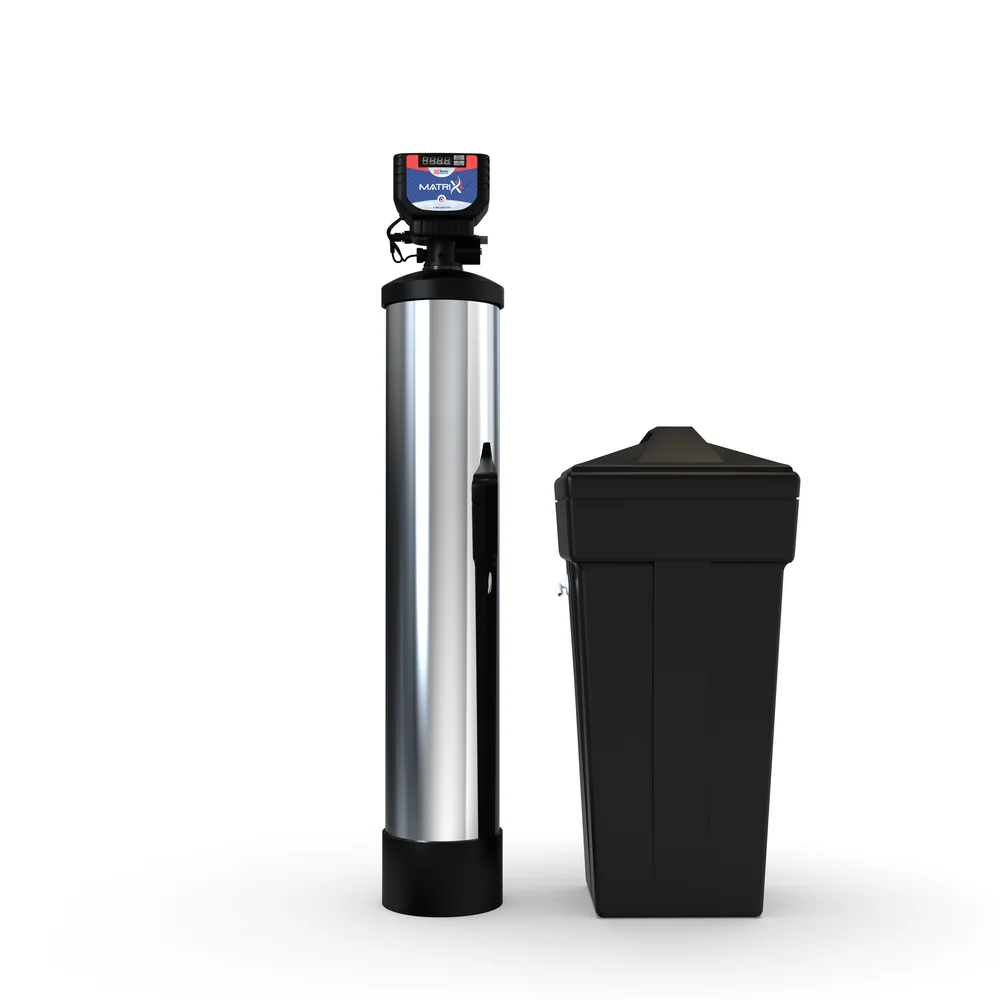
US Water Systems Matrixx Smart Metered Water Softener9.1/10Read the review
A water softener is worth it if your water is hard enough that you see it: white crust on the faucets, spotty glasses, a kettle full of scale, soap that will not lather. In practice that means above about 7 grains per gallon, the point where the USGS starts calling water hard. Below that, your money is better spent elsewhere.
The short test: is your water hard enough?
Before anything else, find your number. City water customers get a Consumer Confidence Report every year, and many utilities list hardness on their website. On a well, a lab test, or even a hardness strip, answers this question.
| USGS class | mg/L | gpg | Is a softener worth it? |
|---|---|---|---|
| Soft | 0 to 60 | under 3.5 | No |
| Moderately hard | 61 to 120 | 3.5 to 7 | Rarely, unless you have a tankless heater |
| Hard | 121 to 180 | 7 to 10.5 | Often, if the scale bothers you |
| Very hard | over 180 | over 10.5 | Usually yes |
The last column is our reading, not a rule. Some people at 8 gpg never notice; others at 6 gpg hate the film on their shower glass, and that is a perfectly good reason too. If you are reading this, the scale is probably already getting on your nerves.
What you actually get for the money
- Soap and shampoo lather properly, so you use less of them.
- Glasses and shower doors come out without the white film.
- Scale stops building up in the water heater, the kettle, the faucets and the shower heads.
- Laundry feels softer, because the detergent is not fighting the hardness.
Those are the reasons people keep a softener for 15 years and buy another one when they move. They are also things you can see within a week or two, which is why the brands in our data can offer long return windows: one year at US Water Systems for the Matrixx and the Fleck 5600SXT, six months at SoftPro and SpringWell.
What it costs, up front and every year
Angi puts the national average at about $1,500 installed in 2026, with labor alone at $150 to $1,000. The salt-based softeners in our ranking cost $876 to $1,890 before installation, at prices checked on November 9, 2026.
| Softener | Score | Price | What you get |
|---|---|---|---|
| Fleck 5600SXT | 8.8/10 | $876 | 35,000 grains, metered, 5-year valve warranty |
| SoftPro Elite | 8.9/10 | $1,367 | 32,000 grains, upflow, lifetime limited warranty |
| Matrixx | 9.1/10 | $1,466.95 | 35,000 grains, upflow, 10-year valve warranty |
| SpringWell SS1 | 8.7/10 | $1,890 | 32,000 grains, metered, lifetime tanks |
Then the running costs. Salt runs $5 to $10 per 40 lb bag of sodium chloride, or $50 to $70 for potassium chloride, per Angi. Modern valves are thrifty: US Water Systems states 3 lb per regeneration for the Matrixx on its efficient setting. Add a little water and power for each regeneration, and that is about it. Spread over a 10 to 15-year resin life, an $876 softener with a $1,000 install comes to under $190 a year over ten years, about $125 over fifteen, before salt.
The downsides nobody puts on the box
- It needs a drain and an outlet. If neither is near the main line, add $300 to $800 for a new drain line, per HomeGuide.
- You carry salt. Not much on an efficient setting, but a 40 lb bag is still a 40 lb bag.
- It adds sodium, in proportion to the hardness it removes. People on a low-sodium diet often keep one unsoftened tap for drinking, or switch to potassium chloride.
- It does not filter anything. Chlorine, sediment and iron need a filter, ideally in front of the softener.
- Some places restrict it. Automatic salt-based softeners are prohibited in the Santa Clarita Valley, per the Los Angeles County Sanitation Districts.
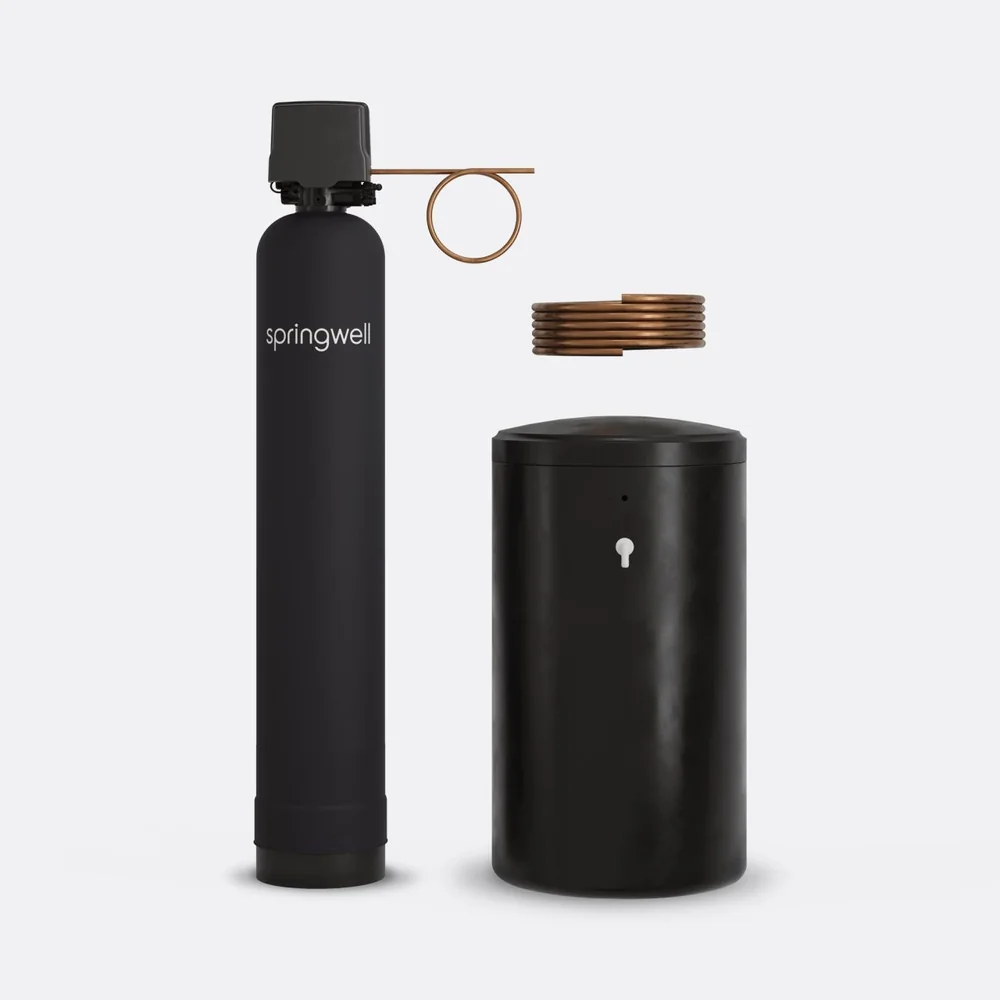
SpringWell SS1 Salt-Based Water Softener8.7/10Read the review
When a salt-free conditioner is the smarter buy
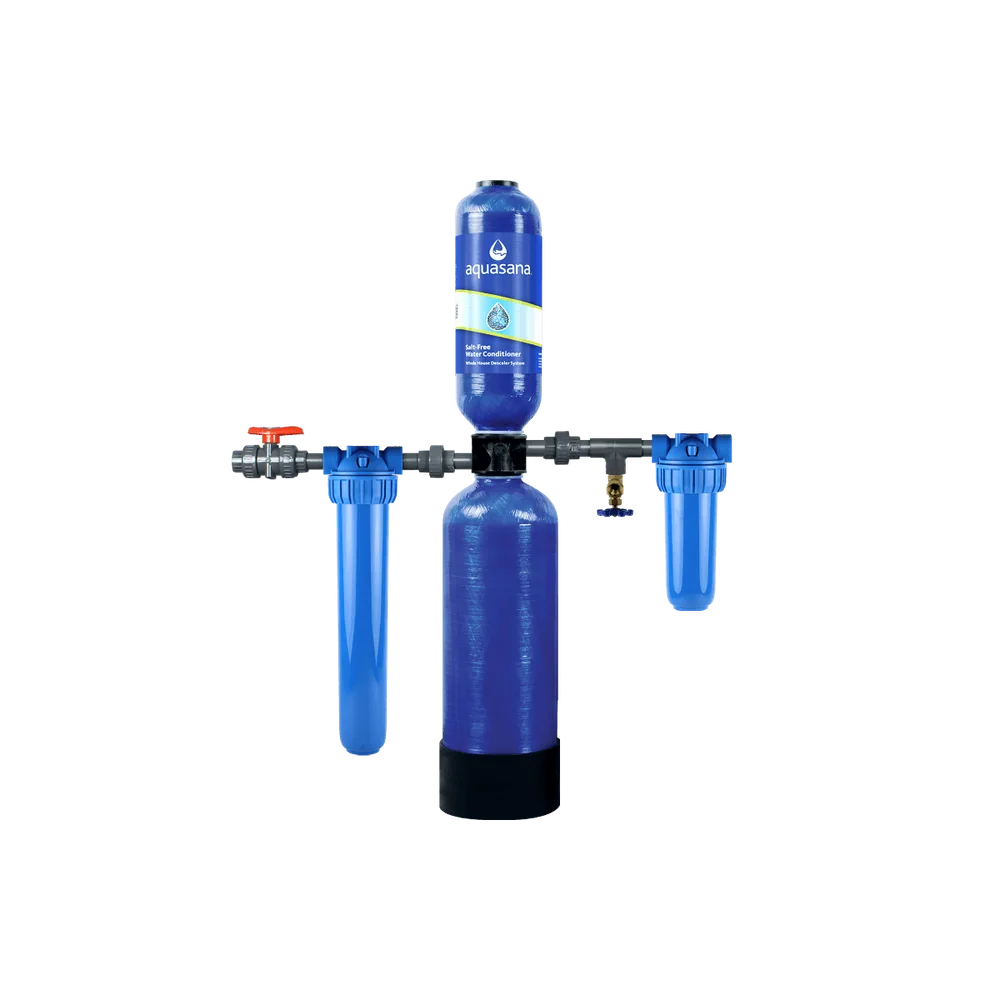
If you mainly want to protect a tankless heater or new pipes, cannot install a drain, or live where salt softeners are banned, a salt-free conditioner is worth a look. It does not soften: the hardness stays in, and spots and soap use barely change. What it does, per the brands, is change the minerals so they stick less to surfaces. The SoftPro Fortress costs $529, the Aquasana conditioner $1,758 and the SpringWell FutureSoft $2,100. Our salt-free ranking compares them, and the salt vs salt-free guide explains the trade-off.
Three households, three answers
A family of four in a suburb, city water at 14 gpg, crusty shower heads and a water heater they already replaced once: worth it, clearly. A metered softener such as the Matrixx or the Fleck changes the feel of the water in the first week, and that is the part they will notice every day.
A retired couple in a city apartment at 5 gpg: not worth it. A 48-inch resin tank and a brine tank need a closet, a drain and the landlord's permission, for water the USGS would call moderately hard at most.
A new build with a tankless heater at 9 gpg, in a town that restricts salt discharge: a conditioner rather than a softener. The heater is the thing to protect, and a conditioner does that with no salt, drain or power.
How to buy one without overpaying
- Find your hardness, and your iron if you are on a well.
- Size it with our softener size calculator instead of guessing: you pay for capacity you never use.
- Compare the warranty on the valve, not just the tank: lifetime at SoftPro, 10 years on the Matrixx, 5 at SpringWell and Fleck.
- Check the return window: a year at US Water Systems, six months at SoftPro and SpringWell.
- Get the install quote before you buy, especially if there is no drain nearby.
- Keep the outdoor spigots on unsoftened water: it saves salt and keeps softened water off the lawn.
Sources, read on November 9, 2026: USGS, hardness of water · Angi, water softener installation cost (updated Oct 29, 2026) · HomeGuide, water filtration system cost (Sept 17, 2025) · Los Angeles County Sanitation Districts, softener prohibition in the Santa Clarita Valley · SoftPro, how long water softener resin lasts (brand page).
Figures from the brands' official pages and US prices checked on November 9, 2026. Images: manufacturers. How we score: see our methodology.
Our selection
Three rated systems mentioned in this guide, at checked prices.
Frequently asked questions
Is a water softener worth the money?
Yes if your water is above about 7 gpg and you see the scale. With systems from $876 in our data and a resin life of 10 to 15 years, the yearly cost is modest. Below 7 gpg, usually not.
What are the disadvantages of a water softener?
It needs a drain, an outlet and salt, it adds some sodium to the water, and it does not filter chlorine or sediment. Some areas, such as the Santa Clarita Valley, prohibit automatic salt-based softeners.
Do I need a water softener with city water?
Only if your city water is hard. Many utilities publish their hardness in the Consumer Confidence Report; above 7 gpg, a softener is worth considering.
Is a water softener worth it in an apartment?
Rarely. Renters usually cannot add a drain line and a resin tank, and the landlord owns the plumbing. Ask first.
How long does a water softener last?
Usually 10 to 15 years before the resin needs replacing, per SoftPro. Valve warranties in our data run from 5 years to lifetime.