Is a whole house water filter worth it? When it pays off
Yes when you can name the problem in every tap, from chlorine to well iron: five-year costs from about $965.
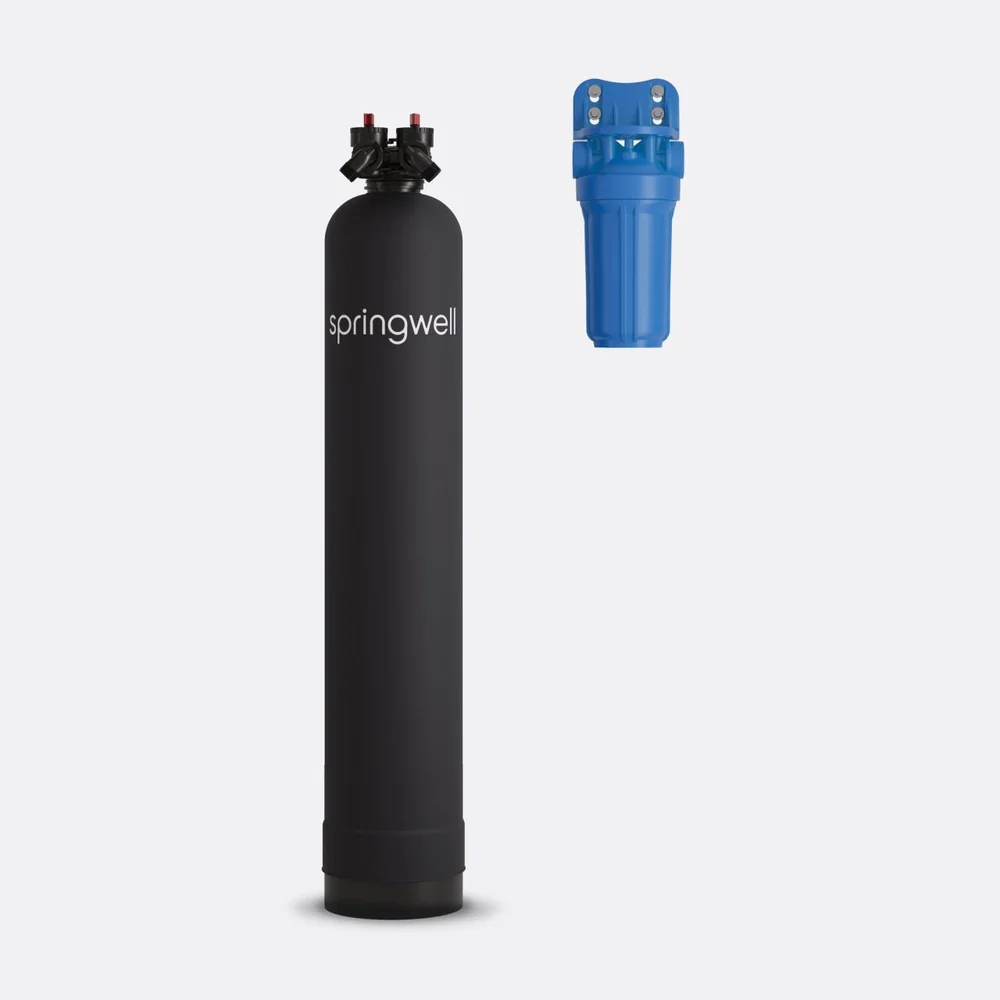
SpringWell CF1 Whole House Water Filter8.9/10Read the review
A whole house water filter is worth it when you can name the problem it fixes: a chlorine or chloramine smell in the shower, sediment in the aerators, iron stains from a well. It is not worth it as a vague upgrade on city water that already tastes fine. Here is how to tell which camp you are in, and what it really costs over five years.
When it is worth it
Whole house filters earn their place when the problem is in every tap, not just the kitchen one. That is the whole point of the category: the same water in the shower, the washing machine and the bathroom sink as in your glass.
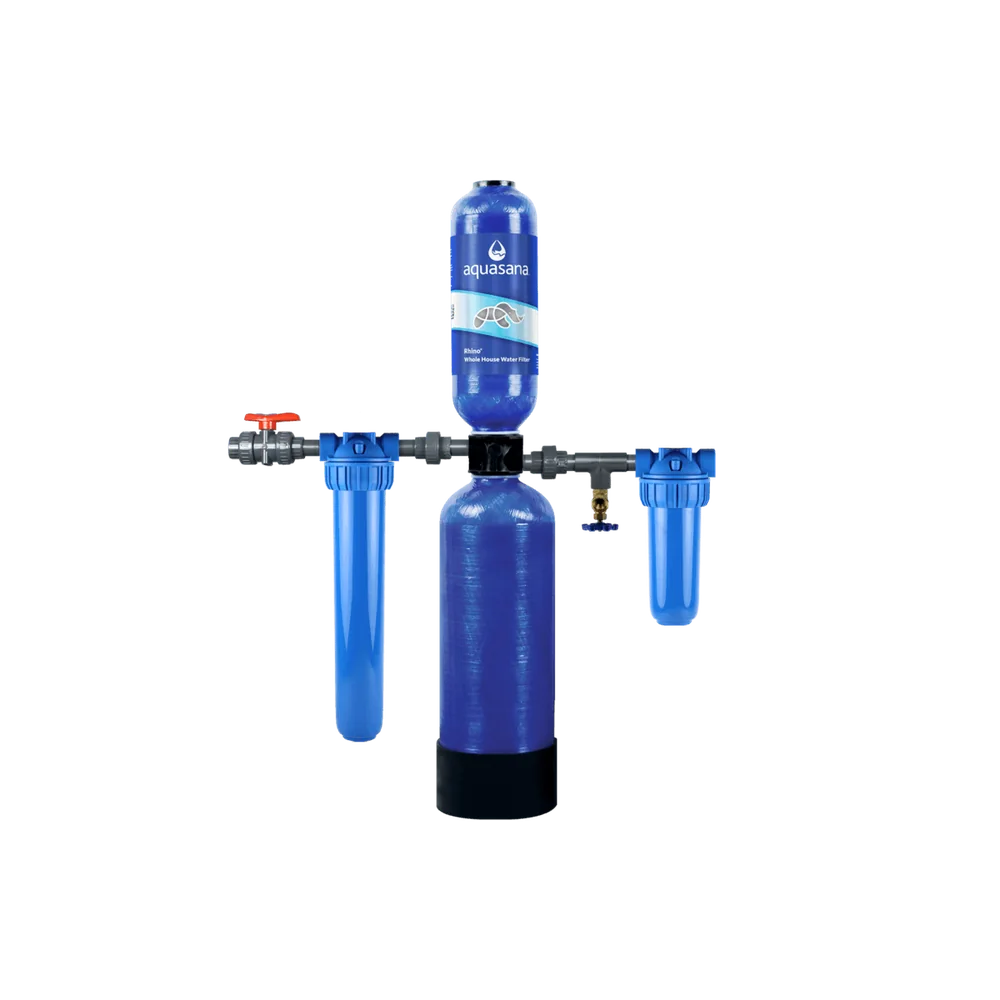
- Chlorine or chloramine smell. Utilities disinfect with one or the other, and a carbon tank takes it out at the main line, so showers stop smelling like a pool. Check that the filter names chloramine if your city uses it: the SpringWell CF1 does; the Aquasana Rhino lists chlorine.
- Sediment. Grit in the aerators, cloudy water after a main break, sand on a well. A sediment stage is cheap insurance for every appliance downstream.
- Iron, manganese and sulfur on a well. Orange or black stains and the rotten-egg smell are whole house problems by definition. They need a well water filter, not a city carbon tank.
- A specific contaminant on your report. If your utility's report shows PFAS, for example, a filter whose brand names PFAS reduction, such as the CF1, is a targeted answer.
When it is not
- Your city water tastes fine and the Consumer Confidence Report shows nothing that worries you. There is nothing to fix.
- The only complaint is the taste of drinking water. A filter at the kitchen tap costs a fraction of any system here.
- Your problem is hardness. None of the 9 filters we compare removes calcium or magnesium; you need a softener.
- You rent and cannot touch the main line. Ask the landlord, or look at a filter for the kitchen tap and the shower head instead.
There is also a middle case that catches people out: a city filter bought for a well. Carbon will not stop iron or bacteria, and on a well with iron you would be swapping cartridges every few weeks. Test first; the CDC recommends a yearly lab test for private wells anyway.
What it costs over five years
Price tags mislead in this category, because cheap cartridge systems are expensive to keep. We added five years of replacement filters to each checked price, at the brand's shortest stated interval and list price, on November 9, 2026. Installation is extra: HomeGuide puts labor at $200 to $600.
| System | Score | Price | Filters per year | Five years |
|---|---|---|---|---|
| Waterdrop WHF3T-PG | 8.4/10 | $369.99 | $119.04 | about $965 |
| SpringWell CF1 | 8.9/10 | $1,365 | $45.57 | about $1,593 |
| iSpring WGB32B | 8.3/10 | $516.99 | $251.98 | about $1,777 |
| Aquasana Rhino | 8.7/10 | $1,998 | $147.96 | about $2,738 |
| SoftPro Iron Master (well) | 8.8/10 | $1,517 | $0 | $1,517 |
Read it twice and a pattern appears. The Waterdrop is the cheapest way in and stays the cheapest over five years. The CF1 costs more up front, then almost nothing, and its tank is rated for 10 years or 1,000,000 gallons. The iSpring overtakes the CF1 in year five. And even the Rhino comes to about $1.50 a day over five years, for every tap in the house.
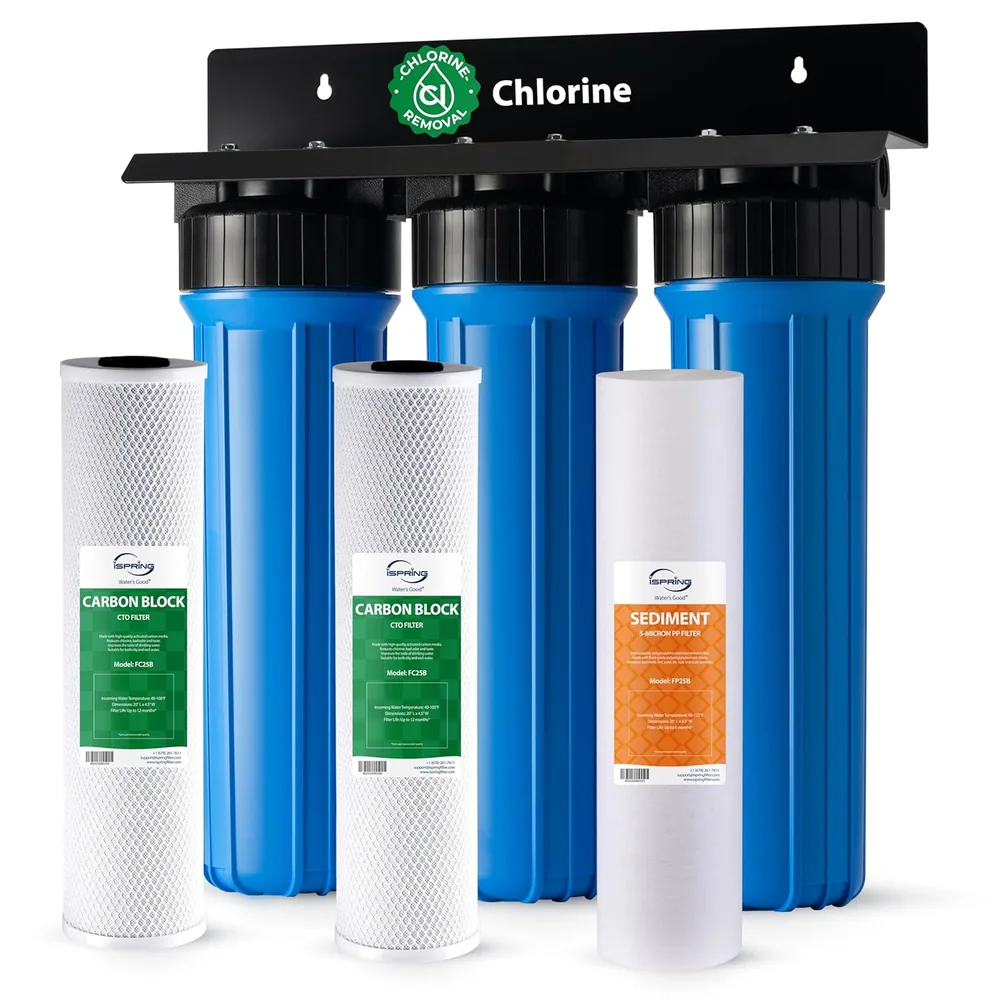 Whole house filteriSpring WGB32B 3-Stage Whole House Filter
What you get that never shows on the bill
The value of a whole house filter is mostly in daily life. Showers that do not smell of chlorine. Coffee and ice that taste of nothing but water. A washing machine and a water heater that are not collecting sediment. On a well, white towels that stay white and a toilet bowl without the orange ring. None of that has a price tag, but it is why people buy one in the first place.
Warranties and return windows matter here, because these are long-lived systems. The CF1 has a lifetime warranty against defects and a six-month money-back guarantee; the Rhino 10 years and 90 days; the cartridge systems from Waterdrop and iSpring one year and 30 days. That spread is part of what you pay for.
Three homes, three answers
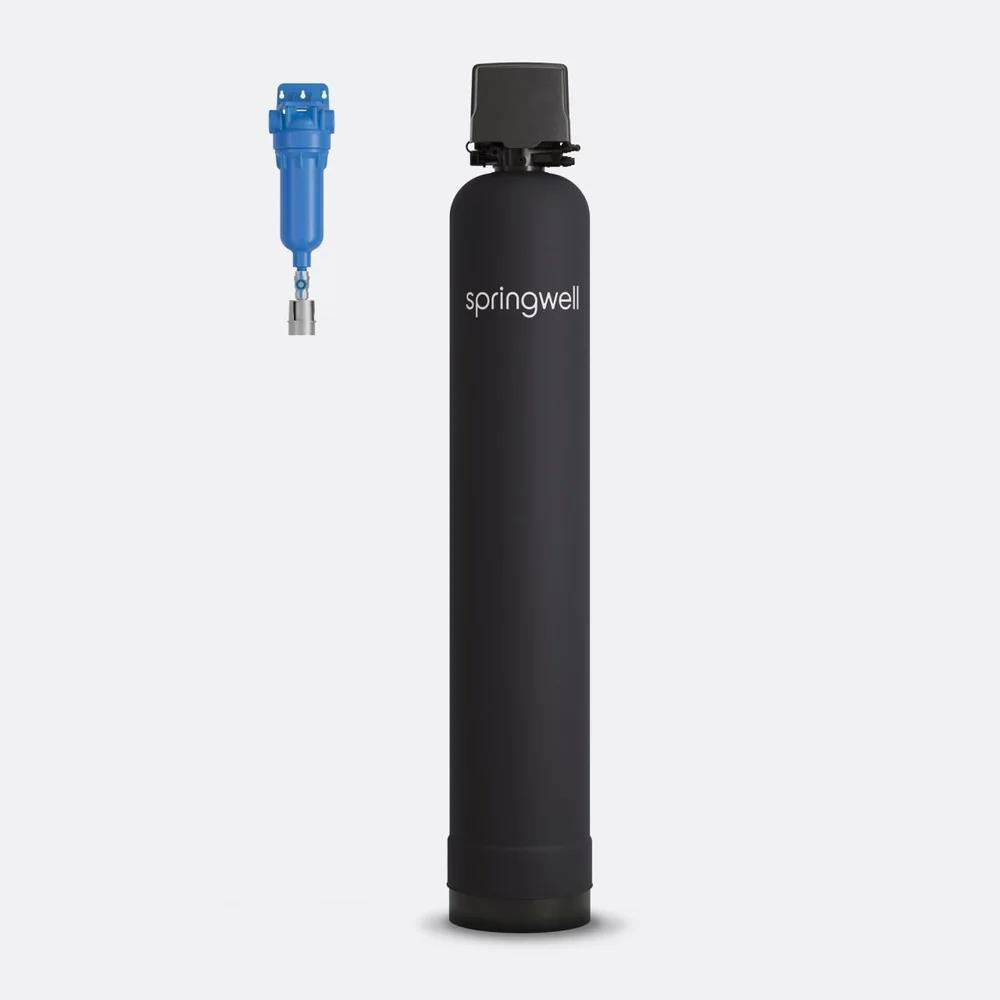
A house on chloraminated city water, two bathrooms, a shower that smells of the pool: worth it. The CF1 names chloramine, needs one $45.57 sediment pack a year and no drain or outlet. Our CF1 vs Rhino comparison shows how it stacks up against the other premium tank.
A first home on a tight budget, city water with grit and a chlorine taste: worth it, at the low end. The Waterdrop WHF3T-PG costs $369.99 and handles both; budget the yearly cartridge set. The Rhino vs Waterdrop comparison helps if you are torn between cheap and premium.
A farmhouse on a well with 6 ppm of iron and a sulfur smell: worth it, but only with the right system. A backwashing iron filter such as the SoftPro Iron Master, rated for 30 ppm of iron, or the SpringWell WS1, rated for 7 ppm, does the job without cartridges. Our iron guide walks through the choice.
How to decide in ten minutes
- Find your water report (city) or your last lab test (well). If you have neither, a lab test costs $100 to $300, per HomeGuide.
- Write down what you actually notice: smell, taste, grit, stains, scale.
- Match each item to a treatment: carbon for chlorine, sediment for grit, an iron filter for stains, a softener for scale.
- Check flow: a filter rated below your busiest morning will drop the pressure.
- Compare five-year totals, not price tags, in our ranking, then read the review of your top two.
Sources, read on November 9, 2026: HomeGuide, water filtration system cost (Sept 17, 2025) · CDC, guidelines for testing well water.
Figures from the brands' official pages and US prices checked on November 9, 2026. Images: manufacturers. How we score: see our methodology.
Our selection
Three rated systems mentioned in this guide, at checked prices.
Frequently asked questions
Is a whole house water filter worth it?
Yes if your water has a problem you can name in every tap: chlorine or chloramine, sediment, or iron and sulfur on a well. If your city water already tastes fine and your report is clean, usually not.
Do whole house water filters reduce water pressure?
A correctly sized one should not be noticeable. Check the flow against your home: the systems we compare are rated from 9 to 15 GPM where the brand states it, as service or peak flow.
How long does a whole house water filter last?
Carbon tanks such as the SpringWell CF1 and the Aquasana Rhino are rated for 10 years or 1,000,000 gallons; cartridge systems need new cartridges every 6 to 12 months.
Is a whole house filter better than reverse osmosis?
They do different jobs. A whole house filter treats every tap for chlorine, sediment or iron; reverse osmosis is usually a drinking water system under the sink. Many homes use both.
Can a whole house water filter remove hardness?
No. None of the 9 filters we compare removes calcium or magnesium. For scale, you need a softener or a salt-free conditioner.